
The Role of Luck in Gambling
Luck is often perceived as a mysterious force that can lead to unexpected outcomes, especially in gambling. When players step into a casino, they hope their luck will be on their side, influencing their chances of winning. This belief in luck is deeply ingrained in the psychology of gamblers, often leading to a myriad of rituals or superstitions aimed at invoking good fortune, such as the use of instant withdrawal casinos that promise quick payouts and enhance their gaming experience. While luck can play an essential role in certain games, it is crucial to understand how it interacts with skill, strategy, and randomness.
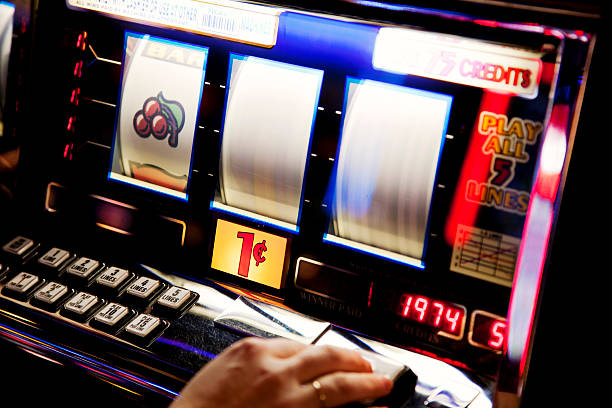
In games of chance, such as slots or roulette, luck is a dominant factor driving outcomes. The randomness of these games means that no amount of preparation or skill can change the odds significantly. Players may win unexpectedly, or they might experience losing streaks that seem insurmountable. This unpredictability can make the experience thrilling and is often why many are drawn to gamble, hoping for that lucky streak that could change their fortunes in an instant.
However, it’s important to recognize that while luck can influence a single session, overall gambling outcomes are heavily weighted by the house edge. This mathematical advantage ensures that, over time, casinos will profit from the games they offer. Thus, while betting on a lucky number or hoping for a winning hand can lead to temporary success, understanding the underlying mechanics of the games is crucial for long-term engagement with gambling.
Understanding Randomness in Casino Games
At the heart of gambling lies the concept of randomness, which is fundamentally what ensures that luck can play a role in casino winnings. Casino games are designed with random number generators (RNG) to ensure that every outcome is independent and unpredictable. For example, in a game of blackjack, while players can employ strategies to improve their odds, the cards dealt are still subject to random distribution, resulting in varied outcomes based on chance.
This randomness is what makes it possible for players to experience winning moments that seem purely due to luck. For instance, hitting a jackpot in a slot game can feel like a stroke of luck, even though the odds are carefully set to favor the house. Many players have anecdotes of remarkable luck during their casino visits, attributing their winnings to serendipity rather than strategy, which often feeds into the allure of the gambling environment.

While randomness ensures that luck plays a role, it’s essential to understand the balance between luck and strategy. While luck may favor a player in the short term, consistently winning over time typically requires skill and knowledge of the game. Therefore, while a lucky streak can provide excitement and potentially significant winnings, understanding the odds and employing effective strategies can lead to more sustainable outcomes in the long run.
Psychological Factors Behind Luck Beliefs
The psychological aspect of luck in gambling cannot be overlooked. Many players develop a belief in luck based on personal experiences, leading them to engage in behaviors and rituals that they believe will enhance their chances of winning. This phenomenon is often referred to as the “gambler’s fallacy,” where individuals think their luck will change based on previous outcomes. For instance, a player may feel that after several losses at a slot machine, they are due for a win, which speaks to the innate human desire to find patterns in randomness.
Additionally, casinos often cultivate an atmosphere that amplifies these beliefs, making use of bright lights, celebratory sounds, and free drinks to create an environment where luck seems to flourish. By reinforcing the idea that luck plays a significant role, casinos entice players to continue gambling, often blurring the line between skill and chance. This emotional engagement can lead players to make decisions based on feelings rather than logic, further complicating their relationship with luck.
Moreover, the social aspect of gambling also plays into the belief in luck. Players often share their winning experiences with others, creating a communal sense of euphoria about luck, which can be very persuasive. The narratives surrounding lucky charms, specific betting styles, or rituals can become a part of the gambling experience, making it feel more personal and impactful. This multifaceted psychological landscape surrounding luck can significantly amplify the thrill of gambling for many individuals.
Strategies to Minimize Dependence on Luck
While luck undeniably plays a role in casino winnings, savvy players can adopt strategies to minimize reliance on chance. Understanding the rules and odds of different games can significantly enhance a player’s ability to make informed decisions. For instance, in poker, players can use their knowledge of the game and their opponents to improve their chances of winning rather than leaving outcomes solely to luck. This strategic approach not only increases the odds of winning but also transforms gambling into a skill-based activity.
Moreover, setting limits and managing bankrolls is essential to maintaining a healthy gambling experience. Players who recognize the role of luck can better prepare themselves for losses, ensuring they do not chase after a streak of good fortune. Responsible gambling practices, such as setting win and loss limits, can help individuals enjoy the thrill of gaming without becoming overly dependent on luck for their emotional satisfaction.
Additionally, players should seek games with favorable odds. Understanding which games statistically offer better returns can lead to smarter choices that minimize the reliance on luck. For example, blackjack typically has a lower house edge compared to other casino games, meaning that players have a better chance of winning over time if they employ optimal strategies. This awareness empowers players to take control of their gambling experience rather than leaving everything to fate.
Your Experience with Luck in Gambling
When considering your relationship with luck in gambling, it’s essential to reflect on personal experiences and the outcomes you’ve encountered during your gaming journey. While many people can recount tales of incredible luck leading to big wins, others may find that their experiences are more mixed. This variability highlights the unpredictable nature of gambling and how luck can swing both ways. It is not uncommon for players to go through phases where their luck seems to be favoring them or, conversely, where they feel perpetually unlucky.
Understanding your individual perspectives on luck can enhance your overall gaming experience. If you believe in luck, embracing this mindset can add an element of excitement to your visits to the casino. However, being mindful of the risks associated with relying too heavily on luck can lead to more responsible gambling practices. The balance between enjoying the thrill of chance and recognizing the importance of strategy is what often culminates in a healthy relationship with gambling.
Ultimately, whether you are a believer in luck or a strategist at heart, your approach to gambling can shape your experience and outcomes. Reflecting on how luck has impacted your gaming sessions can provide valuable insights into your preferences, helping you navigate future gambling endeavors with clarity and confidence.
